

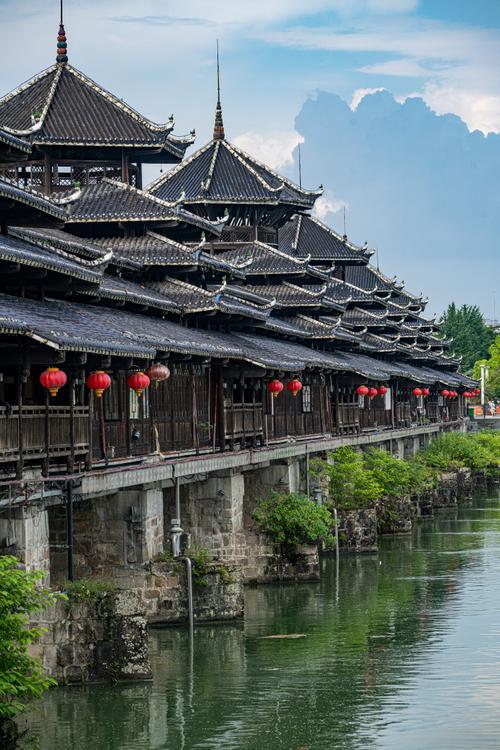
Longjin Wind and Rain Bridge in Huaihua
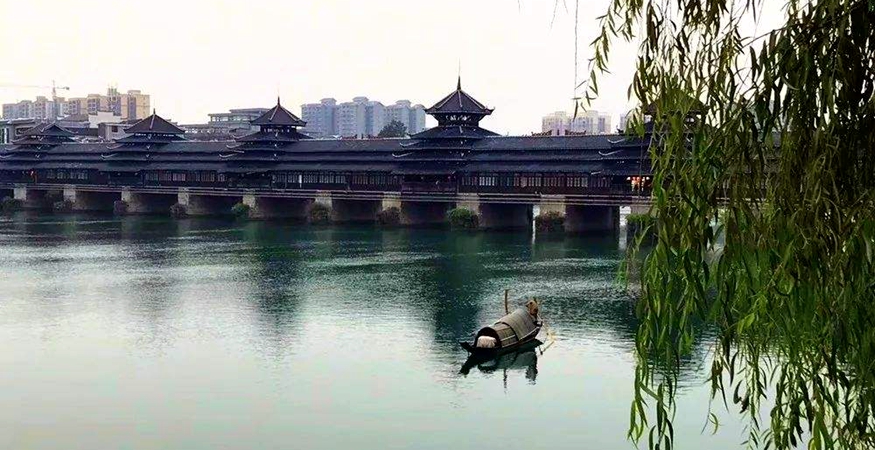
Nestled in the heart of Zhijiang Dong Autonomous County in Huaihua, Hunan Province, the LongjinWind and Rain Bridge is a breathtaking architectural masterpiece and a vibrant cultural landmark. Spanning the Wushui River, this magnificent structure is recognized by Guinness World Records as the largest wind and rain bridge in the world. It stands not only as a testament to ancient engineering but also as a living, breathing hub of local life.
An Engineering Masterpiece Without a Single Nail
Constructed originally in 1591 during the Ming Dynasty, the bridge stretches an impressive 246.7 meters in length and 12.2 meters in width. The most astonishing feature of the LongjinWind and Rain Bridge is its traditional Dong ethnic construction. The entire wooden superstructure is assembled using intricate mortise and tenon joints, without the use of a single iron nail or rivet. The bridge is supported by 16 boat-shaped stone piers, a clever design that effectively disperses the force of river currents and has allowed the bridge to withstand centuries of floods.
A Bridge, A Market, A Community
Unlike conventional bridges, Longjin is a bustling commercial street suspended over the water. The bridge features a covered corridor lined with 94 traditional wooden shops and 7 beautifully crafted pavilions. Walking across the bridge, visitors are immersed in a vibrant atmosphere filled with the aroma of local delicacies. It is the perfect place to taste authentic Zhijiang sour radish, a famous regional snack, and browse through shops selling Dong ethnic handicrafts, clothing, and souvenirs. For the locals, this bridge is a daily gathering place, seamlessly blending commerce, transportation, and social life.
 |
A Witness to History and Peace
Beyond its architectural and cultural charm, the LongjinWind and Rain Bridge carries profound historical weight. During the Second Sino-Japanese War, it served as a vital supply line for the Allied forces and was heavily bombed by Japanese aircraft. Miraculously, despite being targeted 38 times, the bridge survived the relentless bombardment and stood firm as a symbol of resilience. Today, it stands as a peaceful monument, having witnessed both the darkest days of conflict and the joyous celebrations of victory.
Practical Information for Visitors
Location: Zhijiang Dong Autonomous County, Huaihua City, Hunan Province.
Admission: Free of charge.
Opening Hours: Open 24 hours a day.
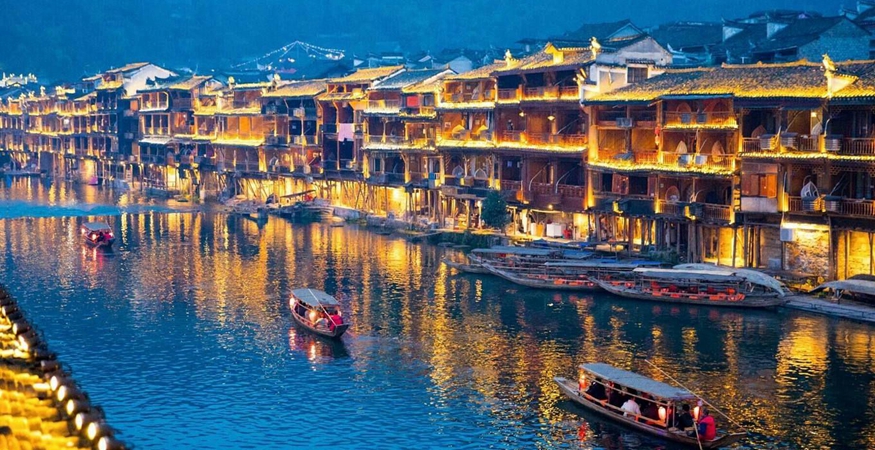
Best Time to Visit: The bridge is stunning year-round, but visiting in the evening is highly recommended. As night falls, the bridge is illuminated with colorful lights, creating a mesmerizing reflection on the Wushui River that looks straight out of a fairy tale.