

Travel from Chongqing to Zhangjiajie (2026 Guide)
The best way to travel from Chongqing to Zhangjiajie is by direct high-speed rail (G-train) from Chongqing East Station to Zhangjiajie West Station, taking about 2.5 hours, which is fast, comfortable and punctual. Other options include flights (with transfers), self-driving and buses, each with its own characteristics, which can be selected according to your own needs.
In 2026, with visa facilitation and upgraded tourism services, there’s no better time to plan Chongqing-Zhangjiajie trip—leave the city’s bustle behind and step into Zhangjiajie’s ethereal landscape, where nature’s masterpieces and age-old traditions promise an unforgettable adventure.
1. Getting There: The 2026 Connection
Traveling from Chongqing to Zhangjiajie in 2026 is seamless, with two standout options—high-speed rail (the fastest, most convenient choice) and self-driving via expressways (for flexible, scenic travel). Both let you reach the region’s natural wonders with ease, tailored to different itinerary styles.
High-Speed Rail (Recommended)
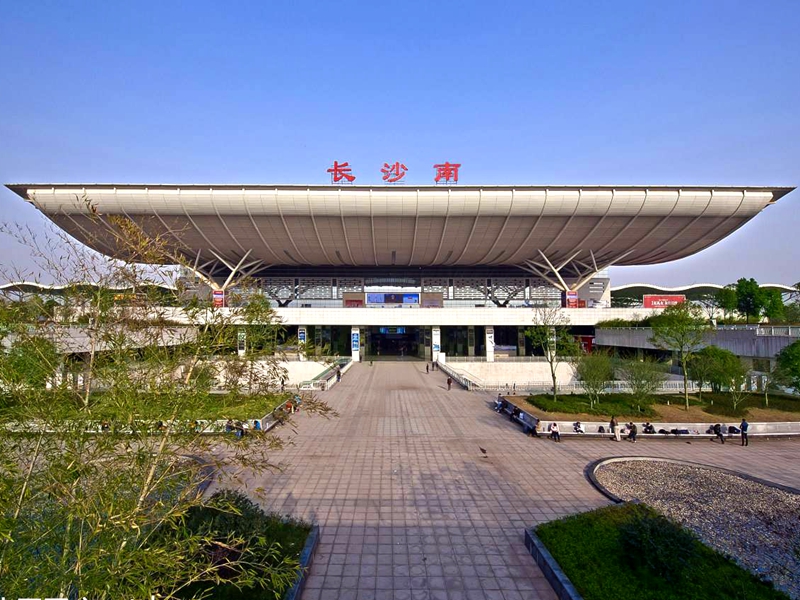
Direct high-speed trains link Chongqing East Station to Zhangjiajie West Station in just 2 to 2.5 hours, cutting traditional travel times by over half. It’s the top pick for speed, comfort, and stress-free transfers Zhangjiajie Municipal Government.
Schedules & Convenience
- Daily Departures: Multiple trains run morning, afternoon, and early evening. Popular options include G2445 (departs Chongqing East 09:52, arrives Zhangjiajie West ~12:20) and G2417 (departs 15:07, arrives 17:56). Trains run at up to 350 km/h, with brief scenic stopovers through Hunan’s countryside.
- Onboard Comfort: Spacious seating, power outlets, clean restrooms, and catering services make long rides easy. Large luggage storage areas handle suitcases and hiking gear, while the route offers quick views of green mountains and rivers along the way.
Self-Driving via Expressways (Flexible Option)
For travelers who want to set their own pace, self-driving covers 550–600 km via well-maintained expressways, with a total drive time of 6–7 hours.
Route & Road Conditions
- Primary Route: Take G65 Baomao Expressway → Zhanghua Expressway, passing through Nanchuan, Wulong, Qianjiang, and Huayuan. The road is mostly smooth, with wide lanes and clear signage.
- Scenic Detours: Stop at small towns like Wulong (for karst landscapes) or Qianjiang (for Tujia cultural spots) to stretch legs and add local flavor to your journey.
- Timing: Depart early (7–8 AM) to avoid morning city traffic; the drive takes 6–7 hours non-stop, or 8–9 hours with stops.
Zhangjiajie West Station: Seamless Transfers
The station is a modern hub with hassle-free connections to key areas:
- To Wulingyuan Scenic Area: Tourist shuttles depart every 20 minutes (1 hour ride, drops at Sign Gate, the main park entrance). Taxis are available for groups or quick transfers.
- To City Center & Tianmen Mountain: Public buses take 30–60 minutes; taxis offer a 15–20 minute ride to downtown or Tianmen Mountain Cable Car Station.
- Amenities: Use luggage lockers, coffee shops, convenience stores (for raincoats/water), and free Wi-Fi to update plans before heading out.
2. Must-Visit Natural Attractions
2.1 Zhangjiajie National Forest Park (Wulingyuan)
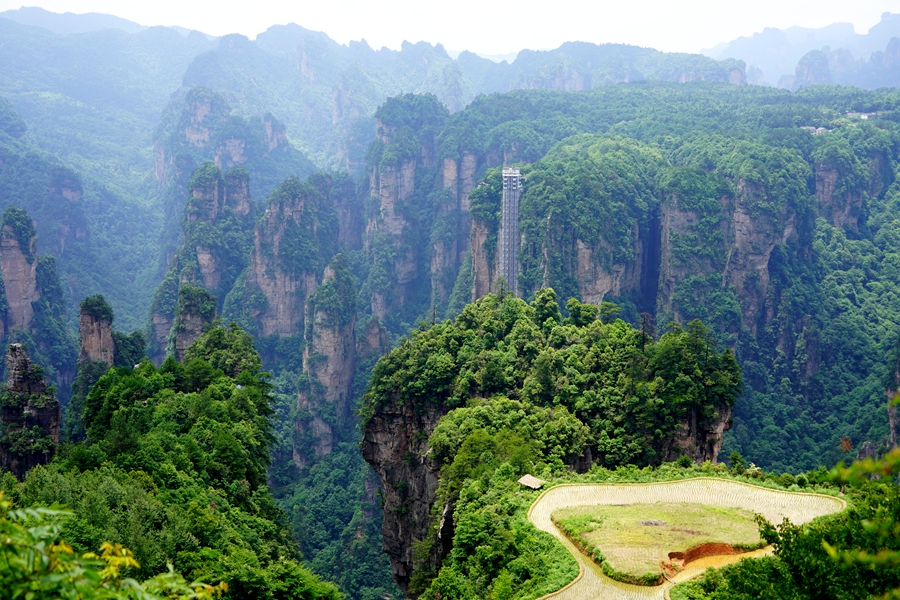
It’s a UNESCO World Heritage Site spanning 4,810 hectares, defined by its iconic quartz sandstone peak forest—the direct inspiration for Avatar’s “Hallelujah Mountains.” With 98% forest coverage and negative oxygen ion levels 500x higher than urban areas, it’s a “natural oxygen bar” that feels like stepping into a prehistoric landscape. Plan 2 full days here to avoid rushing.
Click here to see more information about Zhangjiajie National Forest Park
- Yuanjiajie: The park’s most famous zone, home to the 150-meter-tall Southern Sky Column (renamed “Hallelujah Mountain” after Avatar’s release). Here, over 3,000 standalone sandstone pillars rise from the mist—more than 1,000 exceed 200 meters in height. Don’t miss the Observation Deck of the Hallelujah Mountains at sunrise: golden light spills over the peaks, turning the mist pink and blue. Note: This spot gets crowded by 10 AM, so arrive early.
- Golden Whip Stream: A 7.5-kilometer meandering stream named after the 350-meter Golden Whip Rock—a slender sandstone pillar that glows like polished gold in sunlight. The trail is flat and easy (suitable for all ages), winding through dense forests where you’ll spot wild macaques (over 1,000 live in the park—keep food hidden to avoid playful thefts) and rare plants like dove trees (with white bracts resembling flying doves) and southern yew (a national protected species). Stop at Shilihualang (Ten-Mile Gallery) along the way for intricate rock formations shaped like figures and animals.
- Tianzi Mountain: Dubbed the “King of Peak Forests,” this zone sits 1,262 meters above sea level, offering unobstructed bird’s-eye views of thousands of sandstone pillars stretching to the horizon. Its signature Sea of Clouds (visible at dawn after rain) wraps around the peaks like a white blanket—photographers flock to Helong Park (honoring revolutionary He Long) and Yubi Peak (a pillar shaped like a celestial brush) for the best shots. Unlike crowded Yuanjiajie, Tianzi Mountain stays quiet even in peak season.
- Huangshizhai: A flat-topped peak accessible by cable car (118 yuan round-trip) or a 2.5-hour hike up 3,878 steps. At the top, 360° views reveal formations like Golden Turtle Watching the Sea (a rock that looks like a turtle gazing at the mist) and Five Fingers Peak (five pillars resembling a giant’s hand). Locals call it the “Top of the World” for its grand, “masculine” scenery—contrast to Golden Whip Stream’s gentle “feminine” charm.
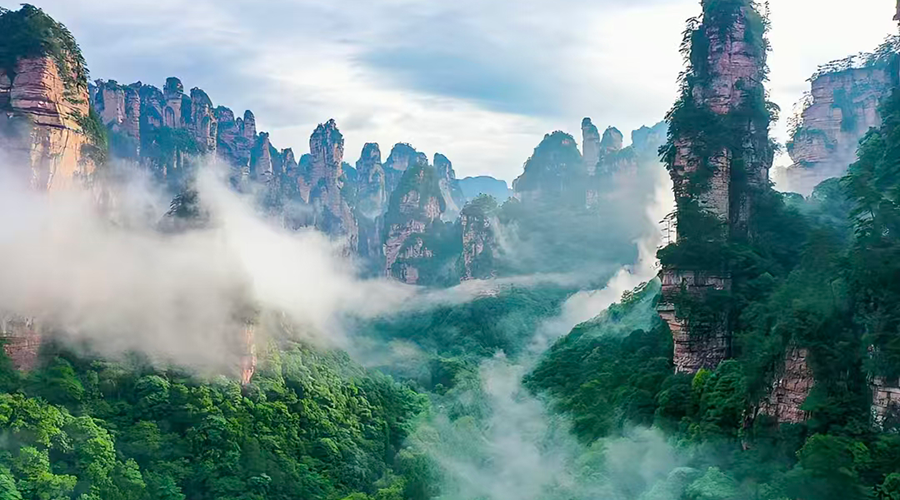
Zhangjiajie National Forest Park
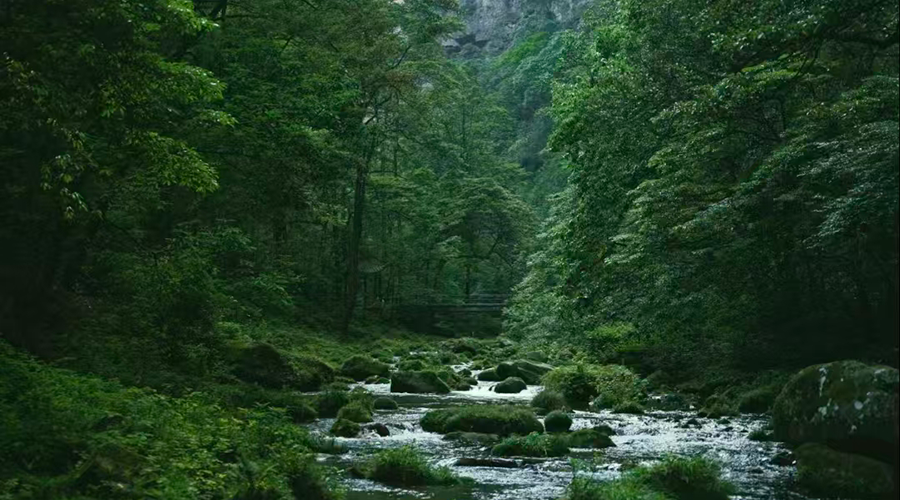
Zhangjiajie National Forest Park – Golden Whip Stream
2.2 Tianmen Mountain (City Center)
It’s 8km south of Zhangjiajie’s urban area (completely separate from Wulingyuan), a 1,518-meter karst mountain known as the “Soul of Zhangjiajie.” It blends dramatic natural wonders with engineering marvels—plan 1 full day here (arrive by 8 AM to beat cable car lines).
Click here to see more information about Tianmen Mountain
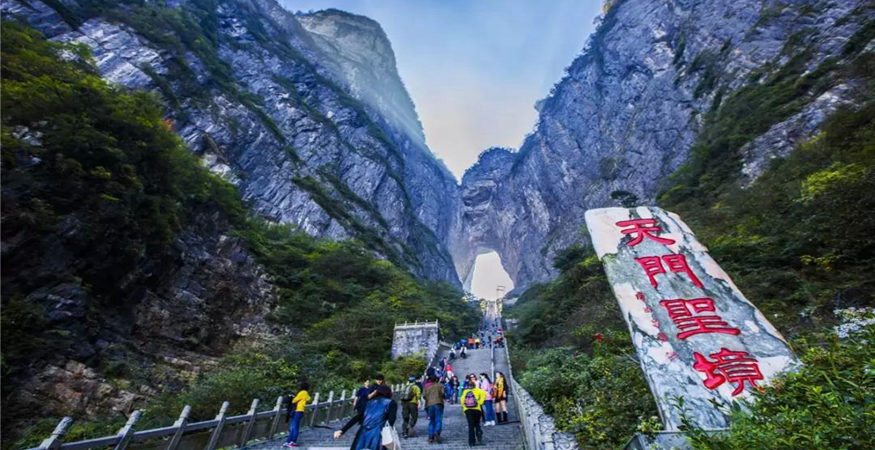
- Tianmen Cave: The world’s highest natural archway (1,262 meters elevation), formed by 260 million years of erosion. It’s 131.5 meters tall, 57 meters wide, and 60 meters deep—large enough to fit a 40-story building. Climb its 999 stone steps (symbolizing “eternal bliss” in Tujia culture) for a spiritual experience; at the top, the cave’s interior is cool even in summer, with sunlight filtering through to create a “heavenly light” effect. Visit after rain to see Tianmen Mist Spit—clouds pouring out of the cave like a waterfall.
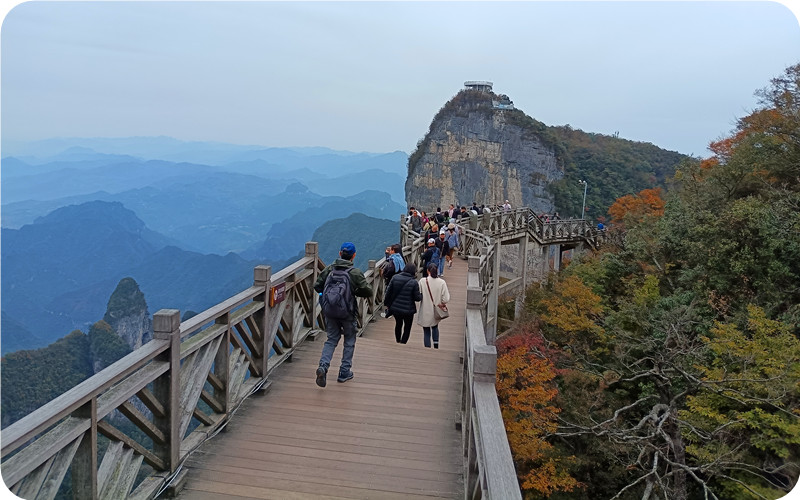
- Glass Plank Road: A 60-meter transparent walkway bolted to the western cliff, 1,430 meters above the valley. Mandatory non-slip shoe covers (provided) keep the glass clean, and the floor offers vertigo-inducing views of the forest below. For extra thrills, try the East Line Sky Corridor (a 100-meter suspended glass bridge) or the Ghost Valley Plank Road (a 1.6-kilometer path clinging to the cliff, with sections that are only 1.5 meters wide).
- Yunmeng Summit: The mountain’s highest point (1,518 meters), where a 360° viewing platform overlooks the city and surrounding karst peaks. Equipped with 5G holographic tech, scan a QR code to watch 3D animations of how Tianmen Mountain formed—from ancient sea beds to the modern archway. In autumn, the summit’s red maple forest turns the mountain bright orange.
- Tongtian Avenue (The 99 Bends): An 11-kilometer road winding up the mountain with 99 sharp hairpin turns—engineers built it in 8 years (1998-2006) to reach Tianmen Cave. Taking an eco-bus up the road is an adventure itself: drivers navigate the bends at slow speeds, and sitting on the right front seat gives unobstructed views of the “dragon coiling around the peak” (as locals call the road).
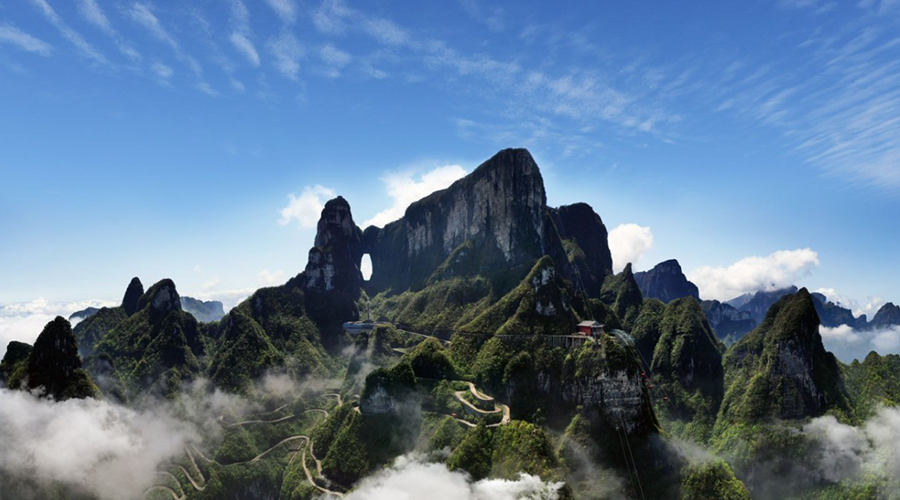
Zhangjiajie Tianmen Mountain
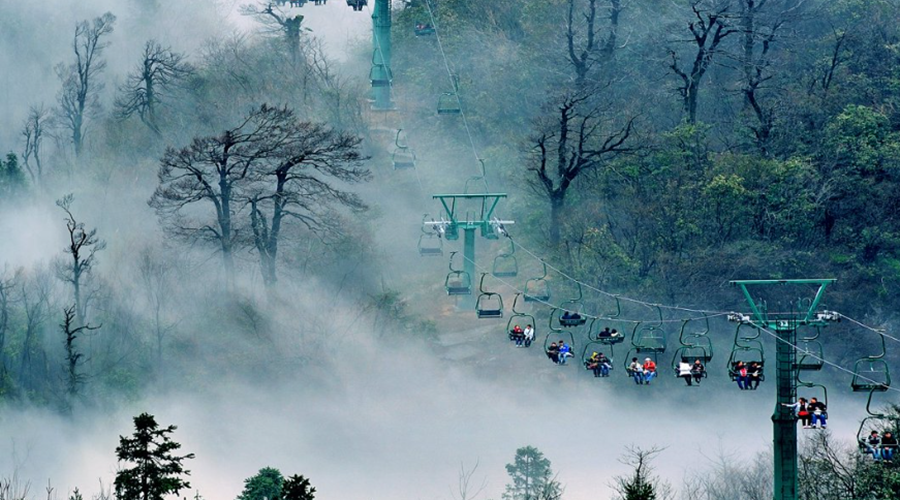
Zhangjiajie Tianmen Mountain – Forest Cableway
2.3 Zhangjiajie Grand Canyon (Glass Bridge)
In Cili County (35km from Wulingyuan), this 5-kilometer canyon mixes lush scenery, historical relics, and adrenaline-pumping activities—plan 4-6 hours here.
Click here to see more information about Zhangjiajie Glass Bridge
- Grand Canyon Glass Bridge: The world’s first slanting cable-stayed glass bridge, spanning 430 meters between two cliffs at 300 meters high. Its transparent floor is made of 99 layers of tempered glass (can hold 800 people at once). For thrill-seekers, try the 260-meter bungee jump (the world’s highest from a glass bridge) or the 100-meter zip line that glides over the canyon. Even if you skip the thrills, the bridge offers panoramic views of waterfalls and green valleys.
- Yixiantian (One-Line Sky): A narrow gorge where the sky shrinks to a 1-meter-wide strip (narrowest point: 0.8 meters). Sunlight filters through the gap, creating dramatic light and shadow on the moss-covered stone walls—this is one of the park’s most popular photo spots. The trail through Yixiantian is steep but short (15 minutes), leading to a quiet pool at the end.
- Southern Red Flag Canal: A man-made cliffside canal built in the 1960s by local farmers, who chiseled it into the rock by hand to bring water to dry fields. The 10-kilometer canal winds through the canyon, and walking along its banks lets you admire both the engineering feat and the surrounding waterfalls (like Baiyun Waterfall, which drops 80 meters into a clear pool).
- Hidden Gems: Skip the crowded main trails and head to Mihun Valley (Lost Soul Valley) in the back mountain: fewer visitors, ancient trees (some over 500 years old), rare birds (like the Chinese monal), and quiet pools where you can dip your feet. In spring, Wild Cherry Blossom Valley bursts into pink bloom—over 10,000 cherry trees line the canyon.
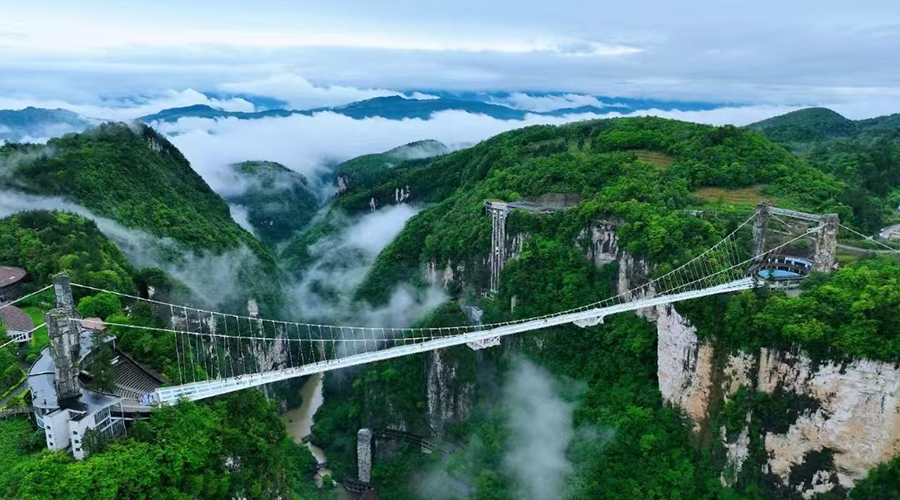
Zhangjiajie Glass Bridge
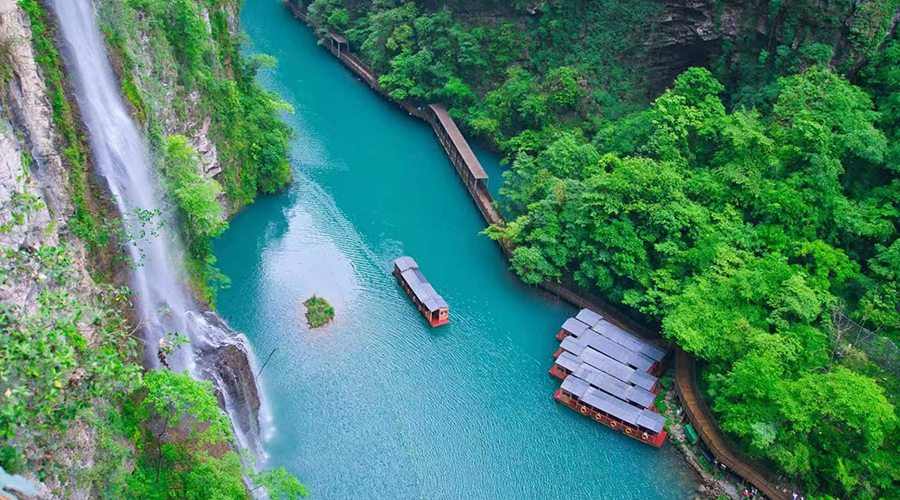
Zhangjiajie Grand Canyon
2.4 Qixiang Mountain
A lesser-known scenic spot 20km from Zhangjiajie city, ideal for avoiding crowds and enjoying tranquil nature—plan 3-4 hours here.
Click here to see more information about Qixiang Mountain
- Core Attractions: Qixiang Mountain is defined by its ancient pine forests (some pines are over 800 years old) and karst caves (like Xianren Cave, with stalactites shaped like immortals). The Sunset Viewing Platform at the top offers unobstructed views of the surrounding mountains—sunset turns the sky red and gold, reflecting off the pine needles.
- Local Charm: Unlike popular spots, Qixiang Mountain is visited mostly by locals. You’ll find small tea houses along the trail where you can try wild tea (grown on the mountain) and Tujia rice cakes (fried and sweet). In autumn, the mountain’s persimmon trees bear fruit—locals sell fresh persimmons for a few yuan each.
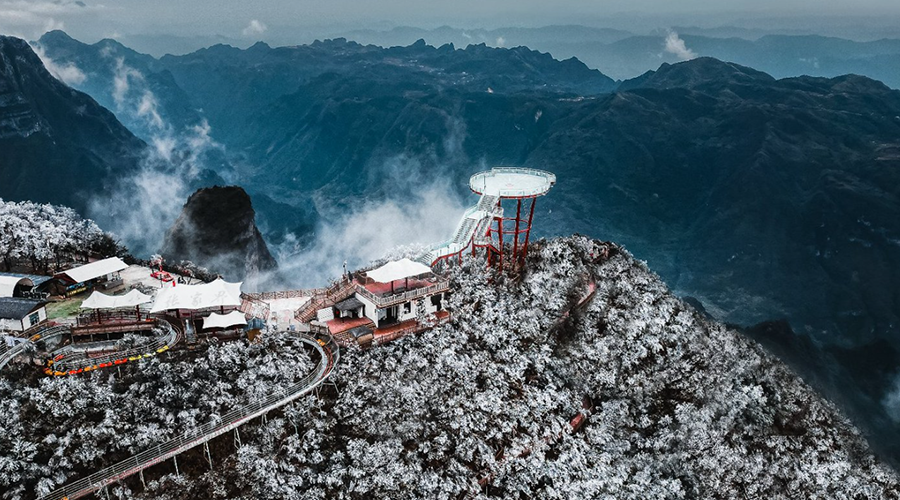
Zhangjiajie Qixiang Mountain
2.5 Yellow Dragon Cave
A 6.6-kilometer karst cave 15km from Wulingyuan, known as the “Underground Palace” of Zhangjiajie—plan 2-3 hours here (wear comfortable shoes, as the cave is cool and damp).
Click here to see more information about Yellow Dragon Cave
- Cave Highlights: The cave has 4 layers (the deepest is 140 meters underground) and features stalactites, stalagmites, and underground rivers. Don’t miss Dragon King Palace (a 12,000-square-meter chamber with a 19-meter-tall stalagmite called “Dragon King’s Pillar”) and Fairy Waterfall (a 50-meter underground waterfall that echoes through the cave). You’ll take a 15-minute boat ride on the Underground River (1.5 kilometers long) to see parts of the cave inaccessible by foot.
- Unique Details: The cave’s temperature stays 16-18℃ year-round—bring a light jacket even in summer. Guides point out formations shaped like animals (a “golden lion,” a “silver elephant”) and mythical figures (a “fairy playing the piano”).
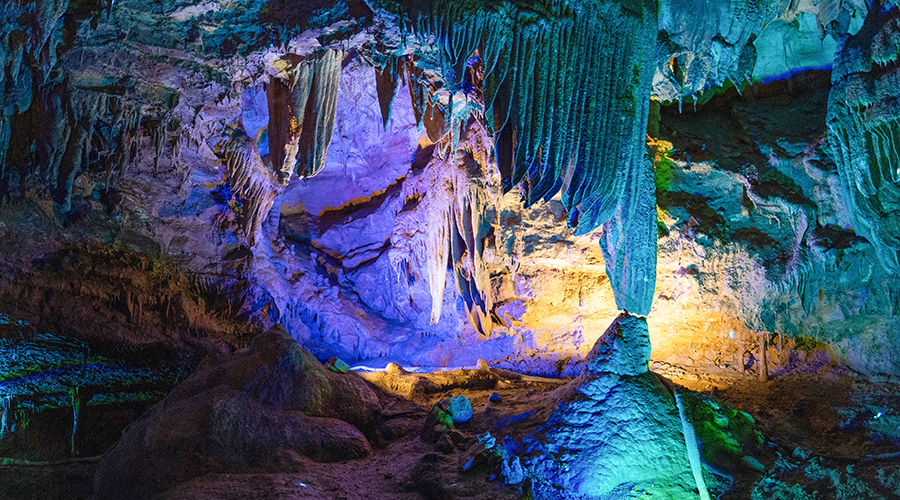
Zhangjiajie Yellow Dragon Cave
3. Cultural & Historical Highlights
Zhangjiajie is dominated by Tujia culture (the largest ethnic minority in Hunan)—dive into these spots for a deeper trip.
3.1 Tujia Cultural Experiences
- Tujia Old Courtyard: A 300-year-old Qing Dynasty complex in Zhangjiajie city, a “living fossil” of Tujia architecture. It features enclosed fire walls (to prevent fires from spreading) and siheyuan (quadrangle) layouts with exquisitely carved wooden windows (depicting Tujia myths of ancestors and nature). Inside, watch immersive demos of Tujia embroidery (intricate patterns of flowers, animals, and folk tales) and silver forging (skilled locals craft delicate jewelry by hand using time-honored techniques). Join a lively traditional Tujia wedding ceremony (you can dress up in vivid red bridal clothes and participate in rituals like “crossing the fire basin”) and taste aromatic homemade rice wine (slow-brewed with glutinous rice and local herbs) while listening to elders sing melodic folk songs that pass down generations of Tujia wisdom.
- 72 Qilou (72 Strange Buildings): A landmark night tourism destination in Yongding District, known as the “Tujia Potala Palace” and a Guinness World Record holder for the “tallest stilted building in the world” (109.9 meters high). It blends Tujia architectural traditions with modern 7D holographic technology, offering a dazzling light show that transforms the entire building into a visual feast after dark. The scenic area includes three parts: Heavenly Palace Qilou, Smoke and Fire Old Street, and 72 Strange Stockades, with over 20 immersive live performances like Fairyland Jade Terrace Waterfall Live Show and Immersive Time Travel: Reborn in the Paris of the East. Wander the food market for snacks from across China, watch intangible cultural heritage demonstrations (such as oil dyeing and silver forging), and join the nightly bonfire party—where you can dance the Tujia Baishou Dance or enjoy modern “local disco” with locals and NPCs. It’s a must-visit for experiencing Zhangjiajie’s vibrant night economy, with the slogan “See mountains by day, visit Qilou by night” widely popular among travelers.
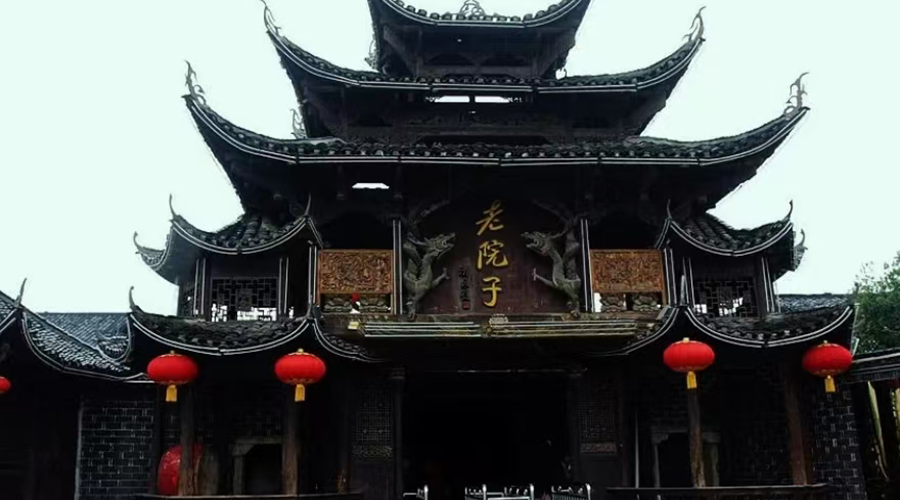
Zhangjiajie Tujia Old Courtyard
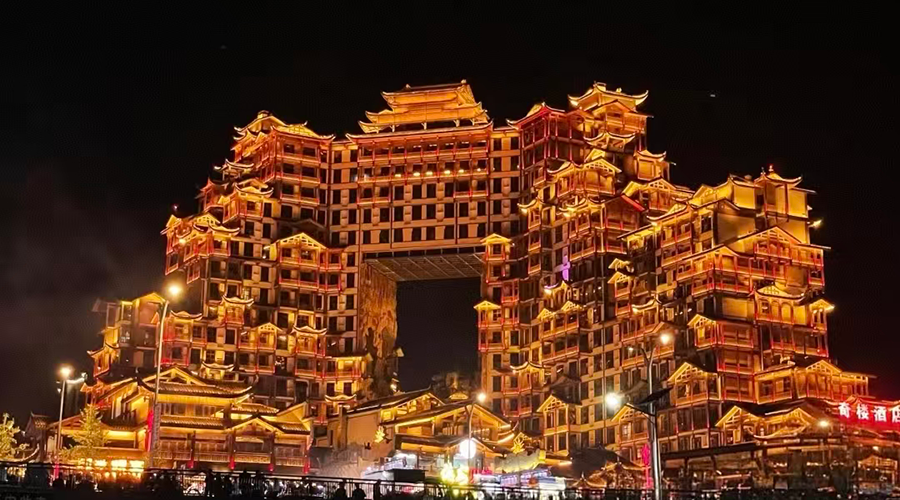
Zhangjiajie 72 Strange Buildings
3.2 Historical Sites
- Dayong Ancient City: A 1,200-year-old city in Zhangjiajie’s Yongding District,once a military stronghold on the border of Hunan and Hubei. It has preserved stone city walls (3 kilometers long) and cobblestone streets lined with traditional shops. Visit the Ancient Government Office (where officials ruled in the Qing Dynasty) to see old documents and tools, then wander the night market (open from 6 PM) where locals sell Tujia snacks (like blood tofu—dried tofu mixed with pork blood) and handwoven cloth.
- Red Second Front Army’s Long March Departure Memorial Hall: In Sangzhi County (80km from Zhangjiajie city), this museum honors the Red Second Front Army’s departure on the Long March in 1935. It has over 1,000 artifacts (guns, uniforms, letters) and 3D multimedia exhibits that reenact the army’s journey. The memorial square has a 30-meter statue of He Long (the army’s leader) and a wall with the names of 10,000 soldiers who joined the Long March.
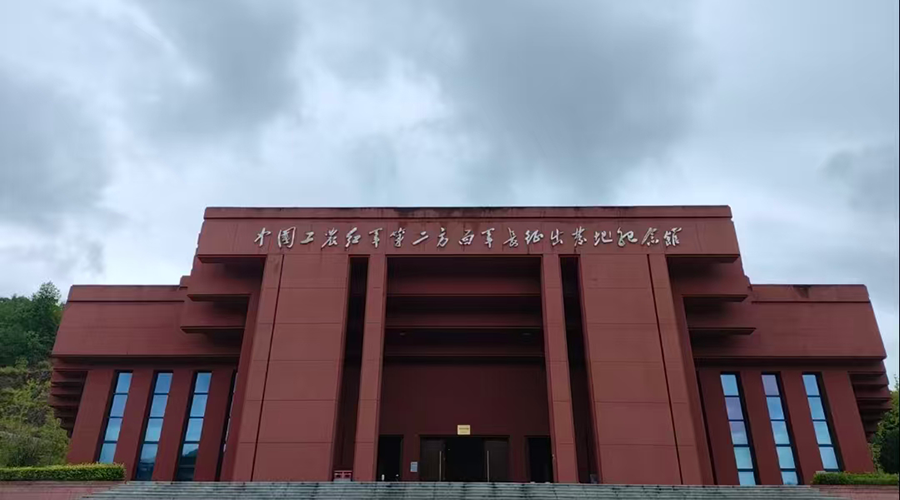
Zhangjiajie Red Second Front Army’s Long March Departure Memorial Hall
4. Modern Experiences & Nightlife
- Xibu Street (West Street): The heart of Zhangjiajie’s nightlife, a 1-kilometer pedestrian street with wooden Tujia-style buildings (lit up with red lanterns at night). Lined with food stalls, bars, and souvenir shops, it’s the best place to try Tujia snacks: three-pot stew (spicier than the stockade version), braised pork with chili (tender and savory), and sweet potato cakes (fried and crispy). Join a bonfire party (held every night at 8 PM) where locals dance and sing—you can even learn to play the Tujia suona (a wind instrument).
- Tianmen Fox Fairy Show: An open-air performance set against Tianmen Mountain (held every night from April to October, weather permitting). It tells the romantic story of a fox fairy who falls in love with a mortal scholar, with 500 performers, real animals (horses, goats), and stunning lighting (the mountain is lit up to look like a fairyland). The show’s climax is when a “fox fairy” flies from Tianmen Cave to the stage—bring a jacket (it gets cold at night).
- Zhangjiajie Qian Gu Qing(Zhangjiajie Romance of the Dragon and Phoenix): A spectacular large-scale song and dance performance by Songcheng Performance Group, located in Wulingyuan. It condenses Zhangjiajie’s hundreds of millions of years of history and legends into chapters like The Vicissitudes of the Sea, Wonderland of Wuling, and Love in Western Hunan. Using cutting-edge audio-visual technology, the show creates immersive effects—such as the stage splitting to reveal giant “gu insects” and stilted buildings popping up from the audience seats. Outside the theater, over 20 interactive folk performances (including Miaogu Nuo Mask Interactive Show and Tujia Baishou Dance) run from 3 PM to 10:30 PM. The scenic area also features Tujia and Miao villages, cultural pavilions, and red culture exhibition halls, with multilingual guided tours and translation headsets available for international visitors.
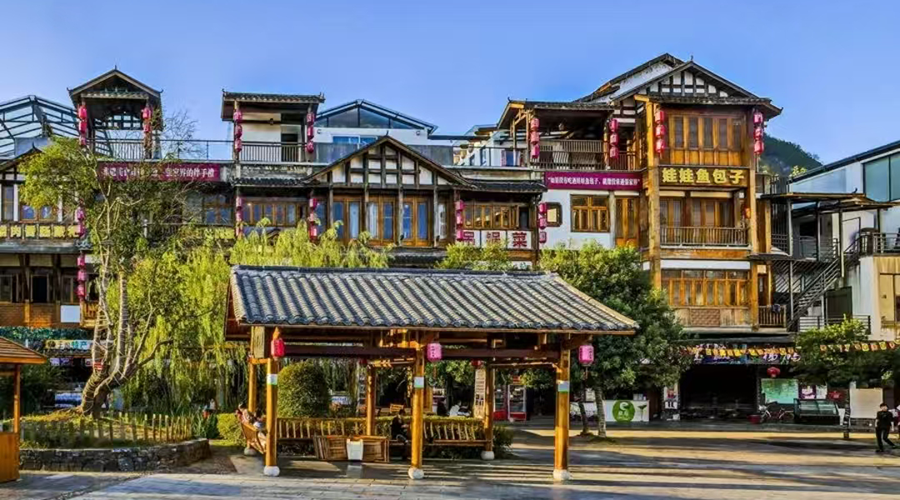
Zhangjiajie Xibu Street
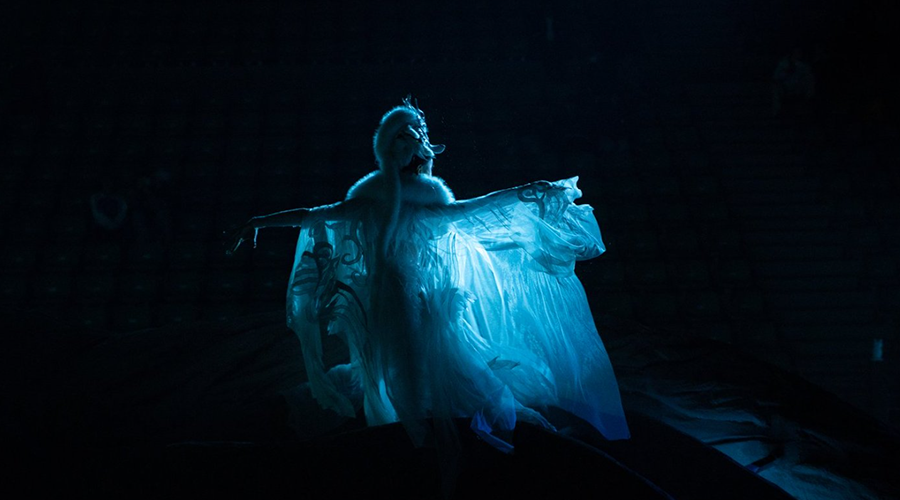
Zhangjiajie Tianmen Fox Fairy Show
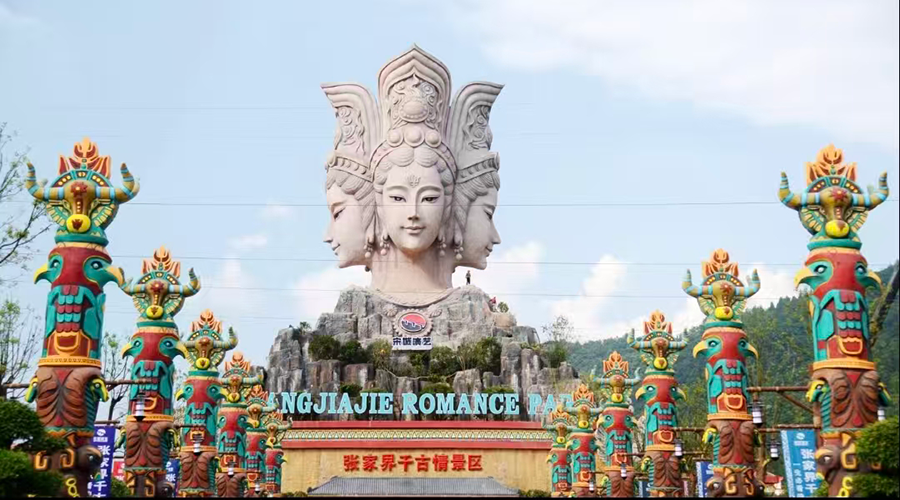
Zhangjiajie Qian Gu Qing
What You’ll Gain from Zhangjiajie: More Than a Journey, a Transformation
Choosing Zhangjiajie means returning home with far more than photos—it’s a collection of moments that stay with you long after the trip ends. You’ll gain reconnection with nature: breathing air thick with negative ions in ancient forests, watching sunrise paint sandstone peaks pink, and feeling the calm of mist swirling around Tianmen Cave, washing away the stress of urban life. You’ll gain courage and wonder: stepping onto glass bridges suspended over canyons, hiking cliffside plank roads, and marveling at how 260 million years of geology created landscapes that feel like they belong to a fairy tale.You’ll gain cultural depth: sipping homemade rice wine while listening to Tujia elders sing folk songs, learning the stories behind silver forging and embroidery, and dancing around bonfires with locals who welcome you like family. And you’ll gain memories of authenticity: the crispness of autumn foliage against grey rock, the warmth of a Tujia three-pot stew on a cool mountain evening, the quiet awe of gliding over valleys on the world’s longest cableway.
Zhangjiajie doesn’t just offer sights—it offers experiences that awaken your senses, challenge your comfort zone, and remind you of the beauty in slowing down. It’s a journey that leaves you with a lighter heart, a broader perspective, and a lifelong longing to return to its peaks, valleys, and warm, welcoming culture.
Travel Tips for 2026
Best Times to Visit:
Zhangjiajie is a year-round destination, offering distinct and breathtaking scenery in every season.
- Spring (March–May): The mountains come alive with blooming rhododendrons and cherry blossoms, while the valleys are carpeted in fresh greenery. The weather is mild and pleasant, ideal for long hikes.
- Summer (June–August): A natural retreat from the heat, the high-altitude peaks remain cool and breezy. It is the best time to witness the “Sea of Clouds” (often forming after afternoon rainstorms) and enjoy the vibrant water flow in the Grand Canyon.
- Autumn (September–November): The foliage turns into a palette of gold and red, contrasting beautifully with the grey sandstone pillars. The air is crisp and clear, providing the sharpest visibility for photography.
- Winter (December–February): The landscape transforms into a fairy-tale world of ice and snow. The peaks are dusted white, and frozen waterfalls glisten in the sun. It is a magical time for photography and far less crowded than other seasons.
Luggage Preparation:
- Footwear: Wear comfortable, waterproof hiking shoes with good traction, as trails can be slippery, especially in the forest park or after rain.
- Clothing: The temperature in the mountains is significantly cooler than in the city. Pack layered clothing (moisture-wicking base layers, fleece, and a windproof jacket) to adapt to changing weather conditions.
- Essentials: Bring a lightweight, packable raincoat (sudden mountain showers are common) and insect repellent (especially for the lush Golden Whip Stream area).
Accommodation Strategy:
- For Wulingyuan (National Forest Park): Stay in Wulingyuan Town. It is located just minutes from the park’s south gate, offering easy access to the trails. Many hotels here provide free shuttle services to the scenic entrances.
- For Tianmen Mountain: Book a hotel near the Tianmen Mountain Cable Car Station in the city center (Yongding District). This saves you from a long commute and allows you to start your day early to beat the crowds.