


Zhangjiajie Yellow Dragon Cave
About Yellow Dragon Cave
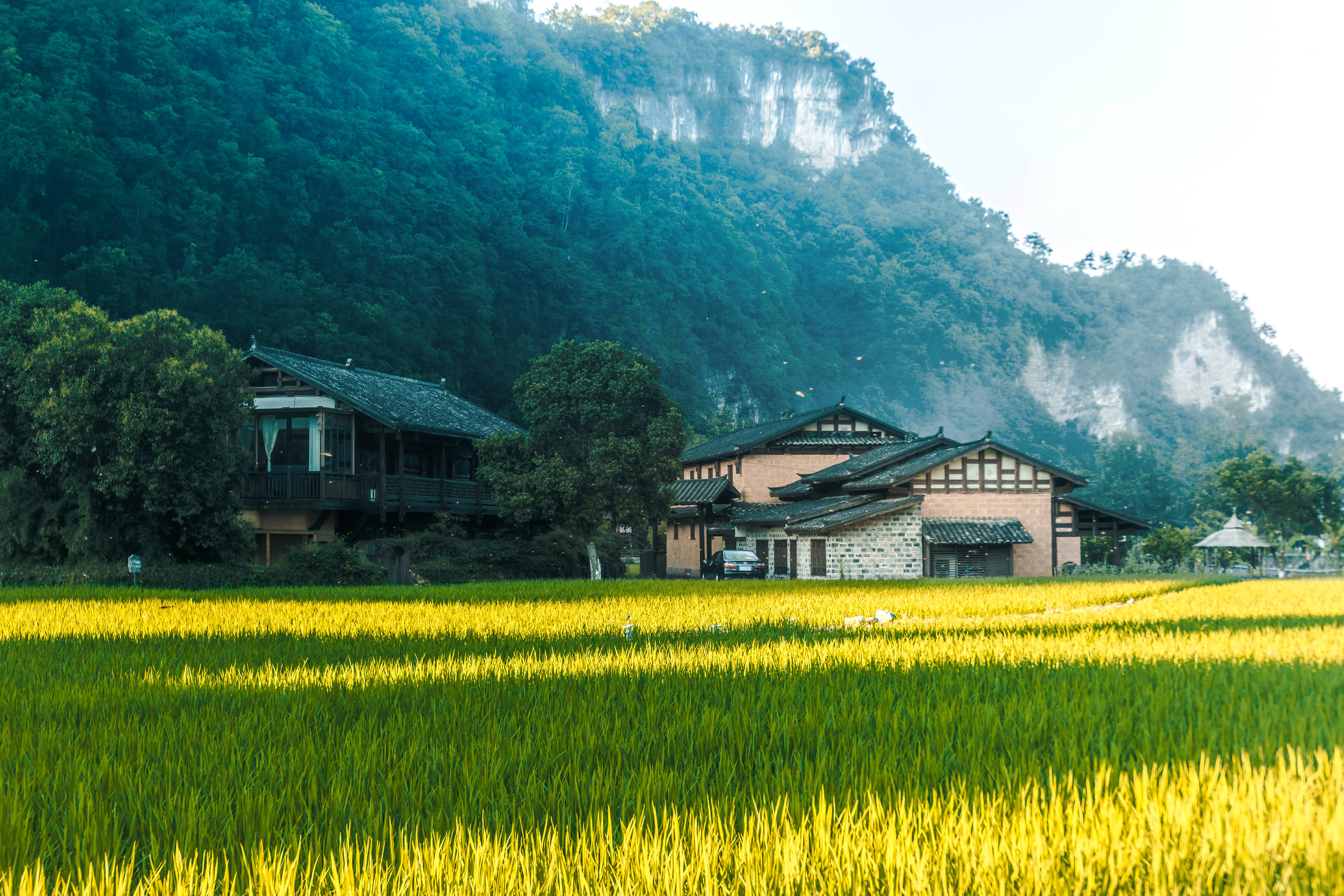
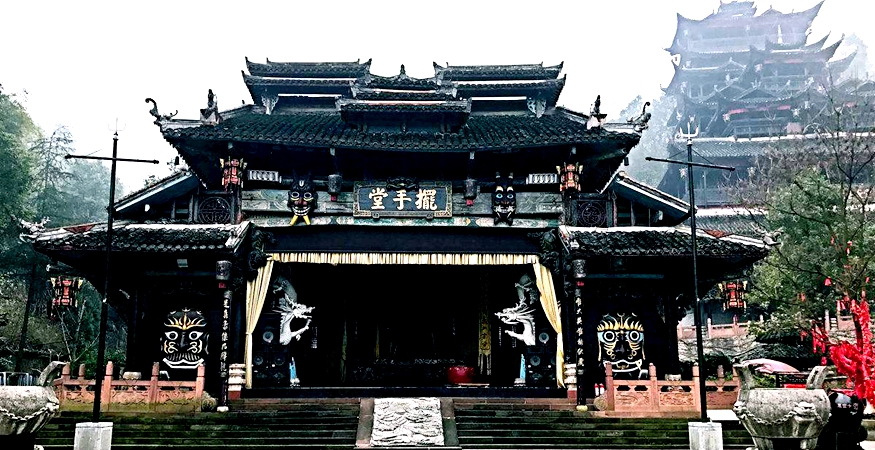
Yellow Dragon Cave,or Huanglong Cave, is located in the east of Wulingyuan Scenic Area, Zhangjiajie City, Hunan Province 张家界黄龙洞景区. It is an important part of Wulingyuan Scenic and Historic Interest Area, a world natural heritage and a world geological park
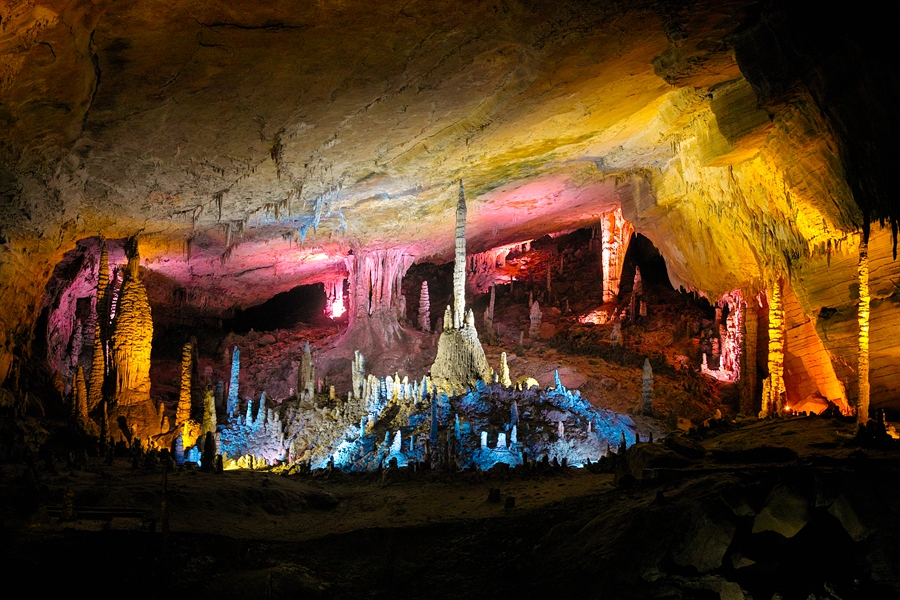
Welcome to Yellow Dragon Cave, a geological masterpiece tucked away in the lush forests of Wulingyuan. Known as the “Underground Pearl” of Zhangjiajie and hailed by explorers as the “All-Round Champion of World Caves,” Yellow Dragon Cave isn’t merely a hole in the ground—it is a 48-hectare, 15-kilometer-long labyrinth of underground rivers, crystal-clear pools, towering stone cathedrals, and over 100 named natural wonders.
Descending into Yellow Dragon Cave is like stepping through a portal into a different dimension. The air instantly turns cool and damp (a constant 16°C year-round), a refreshing sanctuary from the humidity above. The noise of the outside world fades away, replaced by the gentle drip of mineral-rich water and the soft echo of your footsteps on stone. Spanning four distinct layers—two dry, two wet—this is a place shaped by 3.8 billion years of geological evolution, where water has patiently dissolved limestone to carve out a fantasy realm that seems to defy gravity.
What to see in Zhangjiajie Huanglong Cave
I. The Grand Entrance & The Stone Forest
(Gates of Fortune, Dragon Dance Hall, Heavenly Pillar Street, Flower and Fruit Mountain)
Your adventure begins at the mouth of the cave with a symbolic choice: two grand archways stand before you.
- The Gate of Happiness
- The Gate of Longevity
Legend has it that the Yellow Dragon himself once resided in the cave, guarding these passages. While the choice is yours, the result is the same: a journey into a realm of ancient luck and natural beauty. As you pass through the threshold, the temperature drops, wrapping you in a refreshing coolness.
1. Dragon Dance Hall: The Underground Stage
2. Heavenly Pillar Street & Flower and Fruit Mountain
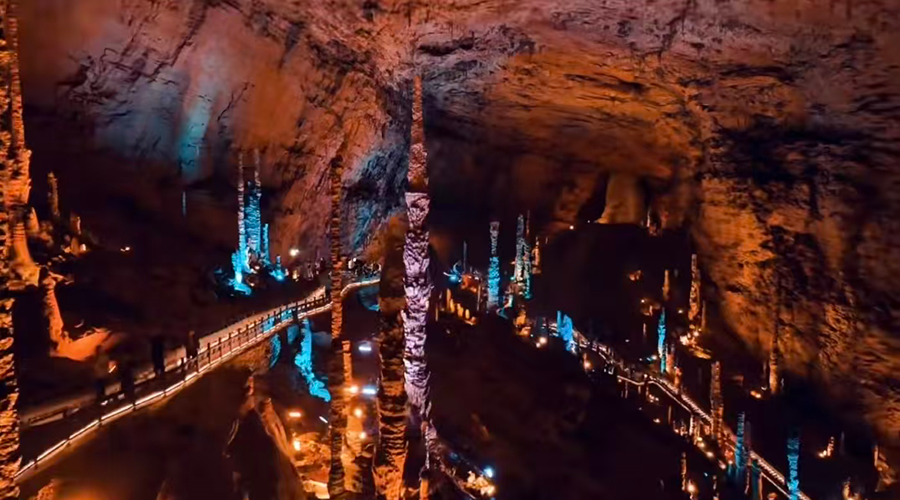
Venturing deeper into the upper dry layers, you enter Heavenly Pillar Street (Tianzhu Street). This is a bustling “avenue” lined with dense stone pillars of all shapes and sizes. The formations here are incredibly dense, creating a “Stone Forest” underground.
- Flower and Fruit Mountain: A whimsical subsection of this area, named after the mountain in the classic novel Journey to the West. Here, small stalagmites resemble ripe peaches, grapes, and mischievous monkeys. It feels like a playful, childlike corner of the cave where nature has sculpted a fairy tale.
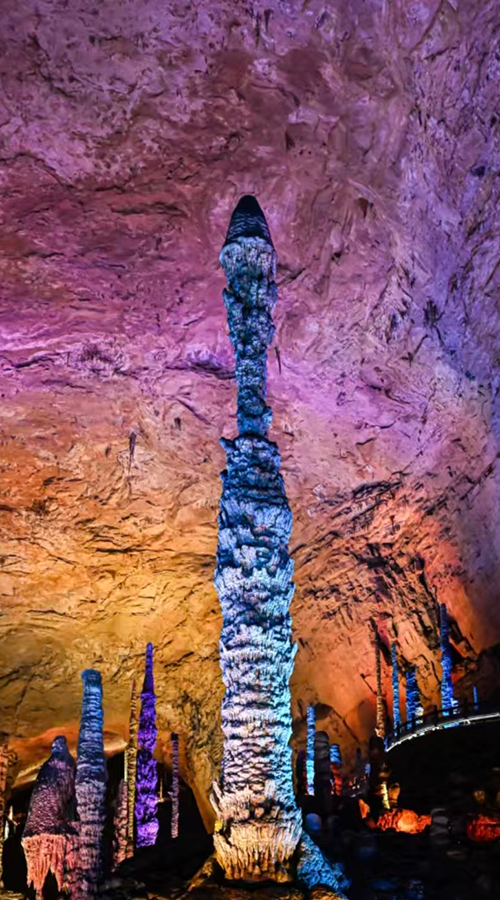
- The Rocket Base: Look closely at the towering formation nearby, and you might feel a sense of déjà vu. A massive stalagmite rises vertically, perfectly shaped like the Long March Launch Vehicle. Its base is wide and sturdy, tapering into a sharp point at the top, as if it is waiting on the launchpad, fueled by the earth’s energy, ready to pierce the heavens.
II. The Dragon Palace: The Heart of the Cave
III. Water, Wonder, and the Hidden Maze
(Back Palace, Collapsed Slope, Heavenly Immortal Waterfall, Dark River Cruise, White Jade Pools, The Maze)
Leaving the grand hall, you enter the Back Palace, said to be the private quarters of the Dragon King’s wives and concubines.
1. The Collapsed Slope & Heavenly Immortal Waterfall
2. The Dark River Cruise
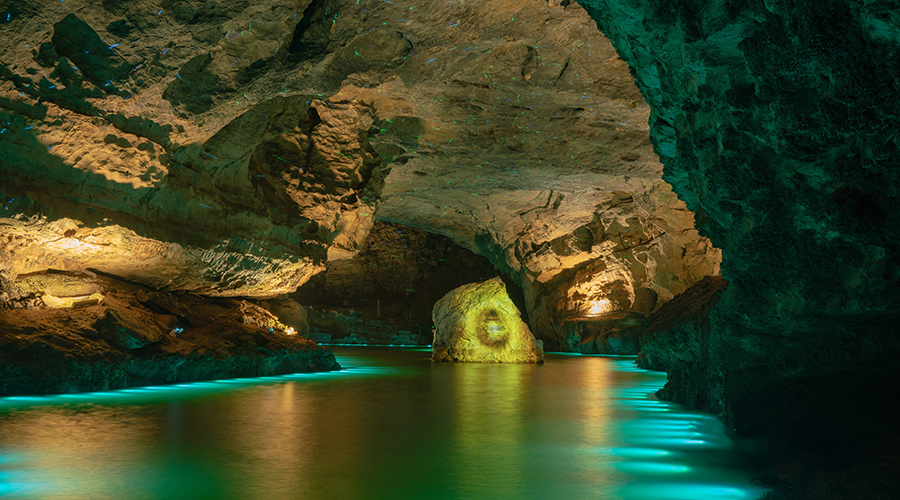
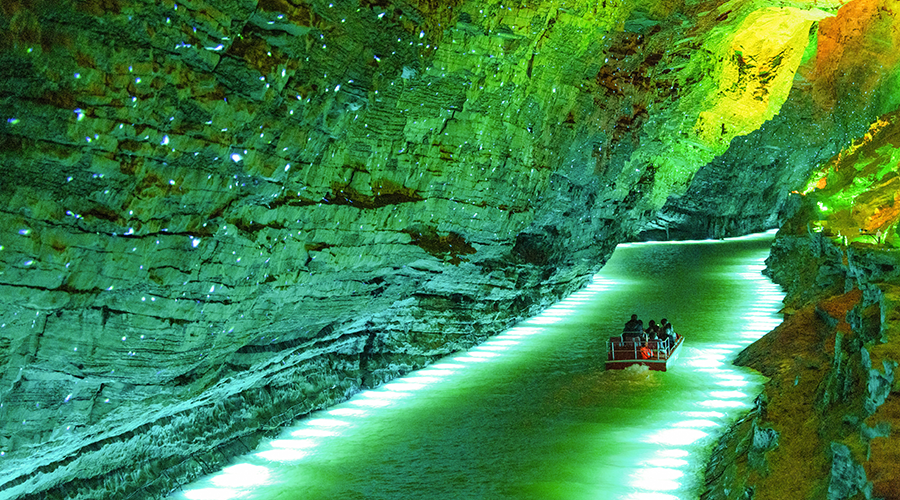
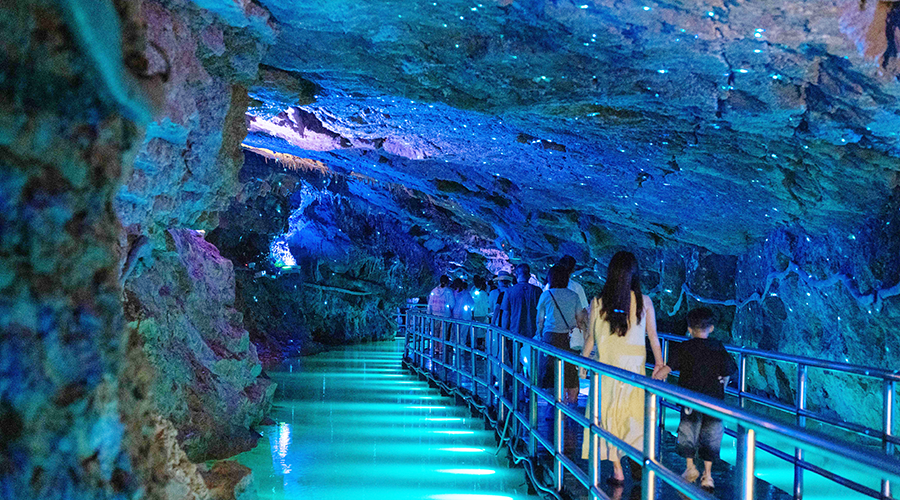
No trip to Yellow Dragon Cave is complete without a cruise on the Dark River (Xiangshui River). Located on the second layer, this 2,800-meter-long waterway is the lowest point of the cave system—its waters so cool and clear they feel like liquid glass against the boat’s hull. Board a small, flat-bottomed boat and glide silently over the mirror-like surface; the only sound is the faint splash of the oar as it skims the water. The water is so still that the illuminated stalactites above—draped like frozen waterfalls in warm gold and blue light—are perfectly reflected below, creating an illusion of infinite depth that blurs the line between cave and sky. Along the banks, the White Jade Pools shimmer like scattered pearls, their milky-blue waters pooling in smooth stone basins carved by centuries of dripping. It is a serene, almost spiritual experience, floating through the heart of the mountain as if drifting through a hidden, glowing world.
3. The Maze
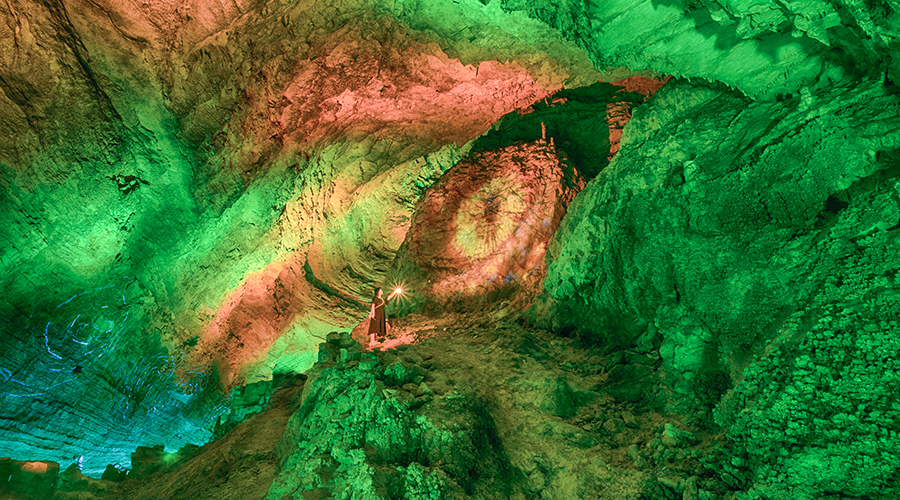
For the ultimate explorer, the Maze offers a thrilling detour that feels worlds away from the yellow dragon cave’s grand halls. This narrow, winding passage is a labyrinth of dense, small stalagmites—some no taller than a knee, others reaching waist-high—intertwined like nature’s own puzzle, with dim, flickering lights casting long, eerie shadows that shift as you move. The path twists and turns unexpectedly, sometimes narrowing to barely a meter wide, and the ceiling dips low in spots, requiring you to duck and weave past jagged rock formations that brush your shoulders. The air here feels even cooler and more intimate, with the distant drip of water echoing like a secret code, and the absence of crowds amplifies a sense of adventure. It feels like exploring a secret corner of the cave, far away from the main trails, where every turn reveals a new cluster of stone sculptures shaped by millennia of patience.
IV. Beyond the Yellow Dragon Cave: Nature and Culture
(Ecological Square, Yellow Dragon Concert Hall)
Travel Tips
- The scenic area opens daily from 8:00 am to 17:30 pm (last entry at 16:00 pm in low season, extended to 16:30 pm in spring and summer peak seasons). It is recommended to allocate 2–3 hours for a full visit (cave exploration + Dark River Cruise + optional Maze detour) to fully appreciate the underground wonders without rushing.
- The combined ticket includes cave admission and the Dark River Cruise (mandatory part of the tour). The Maze detour requires an extra small fee (about 15 RMB per person) and is not suitable for visitors with claustrophobia or limited mobility due to narrow paths and low ceilings.
- The cave maintains a constant temperature of 16°C year-round, with high humidity. It is recommended to wear lightweight, breathable long-sleeve clothing and non-slip flat shoes (the ground may be wet and slippery from dripping water). Avoid wearing high heels or loose sandals to prevent accidents.
- Photography is allowed in most areas of the cave, but the use of flash is strictly prohibited—it may damage the delicate stalactites and stalagmites (which are still growing slowly). For better photos, adjust your camera to low-light mode and use a tripod (if permitted) to capture the cave’s soft lighting effects.
- There are shuttle buses from Wulingyuan Scenic Area Central Bus Station to Yellow Dragon Cave (about 15 minutes, 5 RMB per person). The Misty Zhangjiajie show at Yellow Dragon Concert Hall is held at 19:30 pm daily—book tickets in advance if you want to enjoy the cultural performance after the cave visit.
- Food and drinks are not allowed inside the cave to keep the environment clean. There are snack bars and restaurants in the Ecological Square near the exit, offering local Tujia specialties such as spicy tofu and mountain mushroom soup for replenishing energy.
Zhangjiajie Yellow Dragon Cave